
 +1-646-454-9000

 Last updated on April 23, 2026
 Yes, anxiety can cause heart palpitations and irregular heartbeats due to the body’s stress response. While anxiety-induced palpitations are typically benign, frequent or severe symptoms should be evaluated to rule out other causes. This can provide reassurance and peace of mind for those concerned about their health.
Table of contents
How Does Anxiety Cause An Irregular Heartbeat?
Anxiety affects the heart primarily through the autonomic nervous system (ANS), which controls involuntary bodily functions such as heart rate, digestion, and breathing. During periods of anxiety or stress, the body activates the sympathetic nervous system, often called the fight-or-flight response. This response releases adrenaline and other stress hormones, which can increase heart rate, causing heart palpitations or irregular heartbeats.
This sudden surge of adrenaline is the body’s natural way of preparing to face a potential threat. For many people, however, the feeling of their heart racing during stressful situations can be unsettling and may trigger anxiety and racing heart sensations.
Symptoms Of Heart Palpitations From Anxiety
When anxiety triggers heart palpitations, individuals may experience a range of symptoms, including:
- Pounding heart: A sensation of the heart thumping strongly in the chest.
- Fluttering or irregular beats: A feeling of the heart skipping a beat or beating unevenly.
- Increased heart rate: An unusually fast heartbeat, often felt during moments of stress.
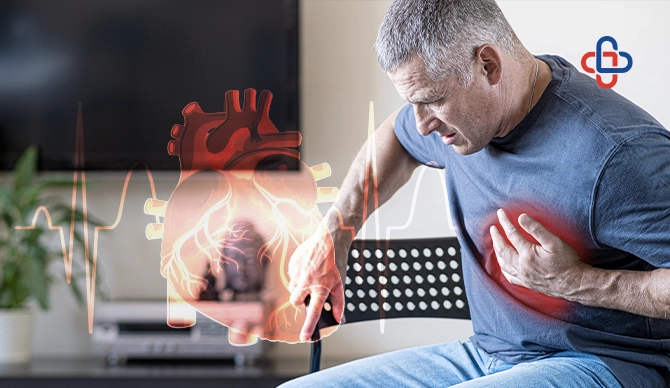
- Tightness or discomfort in the chest: A tight feeling in the chest that may accompany palpitations.
These symptoms, while alarming, are usually harmless and tend to subside once the anxiety diminishes.
How Anxiety-Induced Palpitations Differ From Heart Disease?
It’s important to understand that anxiety-induced palpitations are generally benign and different from symptoms of serious heart conditions.
Here’s how you can differentiate between the two:
- Benign palpitations: Often occur without other significant symptoms, such as chest pain or shortness of breath. They are typically triggered by anxiety, stress, or certain stimulants like caffeine.
- Heart disease symptoms: Conditions such as arrhythmias (irregular heart rhythms) often involve persistent palpitations, chest pain, dizziness, shortness of breath, or fainting, which require medical attention.
In some cases, palpitations from anxiety may feel similar to symptoms of a heart attack or arrhythmia, especially if accompanied by chest tightness. This is why it’s important to seek professional guidance to differentiate between the two.
Can Anxiety Cause Heart Attack or Heart Disease?
While anxiety itself does not directly cause heart disease or a heart attack, it can increase heart rate and blood pressure, which over time may contribute to cardiovascular problems. Individuals with chronic anxiety may also have higher risk factors for heart disease due to lifestyle choices, like smoking, poor diet, or lack of exercise, which can be linked to long-term stress.
However, it is important to note that occasional anxiety-induced palpitations are not a direct cause of heart disease.
Managing Heart Palpitations Due To Anxiety
If anxiety is triggering palpitations, there are several effective methods to relieve symptoms and reduce their frequency:
- Breathing exercises: Slow, deep breaths help activate the parasympathetic nervous system, which calms the heart rate.
- Progressive muscle relaxation: This involves systematically relaxing muscle groups, which reduces overall tension and anxiety.
- Cognitive-behavioral therapy (CBT): CBT is highly effective for managing anxiety by helping individuals identify and change negative thought patterns.
- Mindfulness techniques: Meditation and mindfulness can lower anxiety levels and prevent palpitations.
By incorporating these strategies, many individuals can manage their anxiety and prevent the recurrence of palpitations.
When To Seek Medical Help For Palpitations
While anxiety-related palpitations are often harmless, it’s essential to seek medical attention if:
- The palpitations are frequent or severe.
- They are accompanied by chest pain, dizziness, or shortness of breath.
- The symptoms last longer than a few minutes or cause significant discomfort.
If you’re concerned or unsure about your symptoms, it’s always a good idea to consult a professional cardiologist for peace of mind and proper diagnosis.
The Link Between Anxiety And Heart Rate
Anxiety can cause a racing heart and heart pounding anxiety because of the stress response. This response leads to an increase in heart rate variability, meaning the heart beats faster or irregularly in reaction to stress, worry, or nervousness.
In individuals with chronic anxiety, this can sometimes lead to a high resting heart rate and higher blood pressure levels, which may be concerning but often require only lifestyle management.
When Is Anxiety-Induced Palpitations A Cause For Concern?
It’s important to distinguish between anxiety-induced symptoms and more serious heart conditions like arrhythmias or heart attacks. If palpitations are persistent, severe, or associated with chest pain or shortness of breath, a medical evaluation is necessary. A healthcare provider can help determine the root cause and provide appropriate care.
Getting a diagnosis from a cardiologist at Cardiology Care NYC can provide significant peace of mind for individuals dealing with palpitations from anxiety.
Conclusion
While anxiety can indeed cause heart palpitations and irregular heartbeats, these symptoms are typically harmless and linked to the body’s stress response. However, if palpitations are frequent, severe, or accompanied by other concerning symptoms, it’s important to seek medical advice. By managing anxiety through techniques like deep breathing, mindfulness, and therapy, most individuals can find relief.
Frequently Asked Questions
Can anxiety cause heart palpitations?
Yes, anxiety can trigger heart palpitations due to the body’s natural stress response, increasing heart rate and causing feelings of an irregular heartbeat.
How long do palpitations from anxiety last?
Palpitations from anxiety usually last only a few seconds to a few minutes and often subside once the anxiety diminishes.
What causes heart palpitations during anxiety attacks?
During an anxiety attack, the fight-or-flight response is activated, releasing stress hormones that speed up the heart rate, causing palpitations or irregular beats.
Can anxiety cause chest pain or tightness?
Yes, anxiety can cause chest tightness or discomfort, but it’s typically not related to heart disease. It’s important to differentiate these sensations from symptoms of a heart attack.
How do I stop heart palpitations from anxiety?
To stop heart palpitations due to anxiety, try breathing exercises, mindfulness, or cognitive-behavioral therapy (CBT) to reduce anxiety and calm the heart rate.
Source
- Memorial Healthcare System – Anxiety & Heart Problems: 6 Signs of Arrhythmias
- Calm Clinic – Regular Anxiety and Irregular Heartbeat
- AMFM – Can Anxiety Cause Irregular Heartbeat?
- Cardiovascular Group – How Anxiety Can Cause Heart Flutters?
- Baylor Scott & White Health – Heart palpitations: Is my heart racing from anxiety or arrhythmia?
Disclaimer
This blog is for informational & educational purposes only and does not intend to substitute any professional medical advice or consultation. For any health-related concerns, please consult with your physician, or call 911.
 +1-646-454-9000
 Hours of operation

