
 +1-646-454-9000

 Last updated on December 12, 2025
 If you’ve ever felt your heart skip, flutter, thump, or suddenly race, you’re not alone. Heart palpitations are one of the most common reasons people visit a cardiologist and one of the most common symptoms people fear.
Many immediately jump to the worst-case scenario: “Can heart palpitations kill you?”
Most heart palpitations are harmless, but some can be a warning sign that your heart needs attention. Understanding the difference can give you both peace of mind and a clearer path forward.
At Cardiology Care NYC, we help patients understand these symptoms every day. This guide breaks down the myths, facts, causes, symptoms, risks, and solutions all in simple, supportive language grounded in cardiology best practices.
Table of contents
What Are Heart Palpitations?
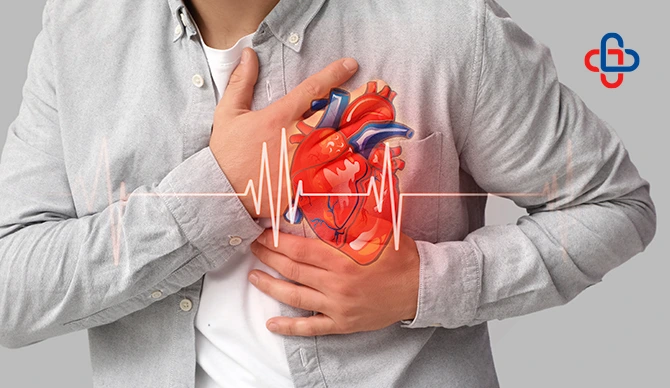
Heart palpitations are the sensations of your heartbeat that you suddenly become aware of. These can feel like:
- A fluttering in the chest
- A racing heartbeat
- A pounding or thumping sensation
- Skipped beats or flip-flops
- A brief pause followed by a strong beat
Most people describe them as heartbeats that feel different, not necessarily painful. They can occur at rest, during stress, after caffeine, or sometimes for no obvious reason.
What Causes Heart Palpitations?
Heart palpitations come from many possible triggers most of which are completely benign.
Common, Harmless Causes
These are the everyday reasons behind sudden heart palpitations:
Stress and Anxiety
Stress hormones (like adrenaline) can make your heart beat faster or harder.
Caffeine and Stimulants
Coffee, energy drinks, pre-workout supplements, chocolate, and nicotine can all over-stimulate the heart.
Dehydration
Low fluid levels reduce blood volume, which forces your heart to work harder and can lead to palpitations.
Lack of Sleep
Poor sleep increases sympathetic nervous system activity, triggering palpitations.
Hormonal Changes
Very common during:
- PMS
- Pregnancy
- Perimenopause
- Menopause
GERD / Heartburn
Digestive irritation can stimulate the vagus nerve, which influences heart rhythm.
Medical Causes That Need Attention
Some underlying health conditions can trigger palpitations and may require professional evaluation.
Arrhythmias
This is where palpitations become clinically important.
Common arrhythmias include:
- Atrial fibrillation (AFib)
- Supraventricular tachycardia (SVT)
- Premature ventricular contractions (PVCs)
- Ventricular tachycardia (VT): can be dangerous
- Ventricular fibrillation (VF): life-threatening without immediate treatment
Thyroid Disorders
Both hyperthyroidism and hypothyroidism can alter heart rhythm.
Anemia
Low red blood cells heart compensates by beating faster.
High Blood Pressure
Chronic hypertension changes the heart muscle over time.
Electrolyte Imbalances
Low magnesium, potassium, or calcium can disrupt electrical signaling in the heart.
Can Heart Palpitations Kill You? (Myths vs Facts)
Let’s clear up the fear with facts.
Myth 1: Are heart palpitations dangerous?
Fact: Most palpitations are benign, but some can signal an underlying rhythm issue, which is why proper evaluation is important.
Myth 2: Heart palpitations themselves can kill you.
Fact: The sensation of a palpitation cannot kill you; it’s just the feeling of a heartbeat.
Myth 3: If palpitations stop, they can’t be serious.
Fact: Dangerous arrhythmias can come and go. Sudden heart palpitations or recurrent episodes should still be checked.
Myth 4: Only older adults need to worry.
Fact: Arrhythmias can affect anyone, though they’re more common with age and cardiovascular risk factors.
When Heart Palpitations Are Dangerous?
Palpitations become concerning when they indicate an electrical problem in the heart.
Potentially Dangerous Conditions
| Condition | Why It’s Dangerous |
| Ventricular Tachycardia (VT) | Can deteriorate into cardiac arrest. |
| Ventricular Fibrillation (VF) | Immediately life-threatening without defibrillation. |
| Atrial Fibrillation (AFib) | Increases stroke risk due to blood clot formation. |
| Long QT Syndrome | Can trigger sudden arrhythmias. |
| Cardiomyopathy | Structural changes can disrupt heart rhythm. |
| Severe Electrolyte Imbalances | Can destabilize the heart’s electrical system. |
Red-Flag Symptom Combinations
Seek immediate evaluation for:
- Heart palpitations and shortness of breath
- Heart palpitations and dizziness
- Heart palpitations and nausea
- Chest pain and heart palpitations
- Palpitations after fainting or near-fainting
- Palpitations during exercise
These do not automatically mean something fatal, but they should never be ignored.
How Long Do Heart Palpitations Last?
- Benign palpitations: a few seconds to minutes
- Arrhythmias: may last minutes, hours, or come in episodes
- Constant heart palpitations: should always be evaluated
If palpitations last longer than a few minutes and come with other symptoms (lightheadedness, chest tightness, or shortness of breath), it’s worth getting checked sooner rather than later.
How to Stop Palpitations Immediately?
Before trying self-calming techniques, remember that proper evaluation may include tests like a holter monitor, an electrocardiogram (ECG), or even a stress test or echocardiogram. These techniques can help calm palpitations that are already happening, especially if they’re stress, dehydration, or vagus-nerve related.
Deep, Slow Breathing
Inhale 4 seconds → hold 2 seconds → exhale 6 seconds.
Vagal Maneuvers
Helpful for some types of SVT, only used if a doctor has approved.
- Bearing down as if having a bowel movement
- Splashing cold water on your face
- Coughing firmly
Hydration
Drink water or an electrolyte drink.
Light Movement
A short, gentle walk helps settle adrenaline surges.
Remove Triggers
Caffeine, energy drinks, alcohol, nicotine, and large meals can worsen palpitations.
How to Get Rid of Heart Palpitations?
Hormonal shifts, especially during pregnancy, PMS, and menopause can make palpitations more noticeable.
Natural ways to ease them:
- Magnesium-rich foods (leafy greens, nuts, seeds)
- Stable blood sugar (regular meals, slow-digesting carbs)
- Consistent sleep schedule
- Reducing caffeine and alcohol
- Stress-reduction practices (yoga, meditation, slow breathing)
Does Anxiety Cause Heart Palpitations?
How long do heart palpitations last?
Yes. Anxiety increases stress hormones like adrenaline, which can make your heart beat faster and create the sensation of palpitations, a cycle that can then trigger even more anxiety.
How to break the cycle:
- Slow breathing techniques
- Cold water on hands or face
- Grounding exercises (5-4-3-2-1 method)
- Reassurance: This sensation is uncomfortable, not dangerous.
Anxiety palpitations are real, not imagined, but usually not harmful.
When to See a Doctor About Heart Palpitations
Seek urgent care or ER evaluation if you have:
- Chest pain or pressure
- Fainting or near-fainting
- Severe shortness of breath
- A heart rate >120 bpm at rest
- Palpitations after a heart disease diagnosis
- Palpitations following drug or stimulant use
- Irregular, pounding episodes that last several minutes or more
Make a routine cardiology appointment if:
- You have sudden heart palpitations with no clear cause
- Palpitations occur frequently or daily
- You notice new symptoms such as fatigue, swelling, or exercise intolerance
- You have a family history of arrhythmias or sudden cardiac death
Heart Palpitations Treatment Options
Treatment depends entirely on the underlying cause. At Cardiology Care NYC, this may begin with a comprehensive cardiology consultation, followed by diagnostic testing such as a holter monitor, ECG, stress test, or echocardiogram.
Lifestyle Adjustments:
- Hydration
- Limiting caffeine/alcohol
- Improving sleep
- Managing stress
- Avoiding large or high-sugar meals
Medical Treatments:
- Beta-blockers or calcium channel blockers
- Antiarrhythmic medications
- Electrolyte correction
- Thyroid treatment
- Ablation procedures for certain arrhythmias
- Pacemaker or defibrillator in severe conduction disorders
- Holter monitor, event monitor, or ECG to track your heart rhythm
Do Heart Palpitations Go Away on Their Own?
Often, yes.
Palpitations from stress, caffeine, dehydration, or lack of sleep tend to resolve once the trigger is removed.
They don’t usually go away on their own if they’re caused by:
- AFib
- SVT
- Cardiac structural disease
- Thyroid disorders
- Electrolyte abnormalities
Conclusion
Heart palpitations can feel unsettling, but the majority are harmless and linked to factors like stress, fatigue, dehydration, or hormonal changes. Still, it’s important to remember that some palpitations can signal an underlying rhythm disorder, especially when paired with symptoms like dizziness, chest discomfort, shortness of breath, or fainting.
The most reliable way to know what’s causing your symptoms is to have your heart evaluated. At Cardiology Care NYC, our team is dedicated to providing clear answers, personalized care, and effective treatment when needed so you can feel confident and supported in your heart health.
Frequently Asked Questions
Can dehydration make palpitations feel worse during exercise?
Yes. When you’re dehydrated, your heart works harder to pump blood, and exercise increases that demand. This combination can make palpitations more noticeable or more frequent.
Do heart palpitations happen more often after eating?
They can. Heavy meals, high-sugar foods, or large amounts of carbohydrates can shift blood flow to the digestive system and stimulate the vagus nerve, which may trigger palpitations in some people.
Can posture or body position trigger palpitations?
Yes. Lying on your left side, bending forward, or slouching can change how you feel your heartbeat, making normal beats seem stronger or more pronounced.
Do supplements or vitamins cause palpitations?
Some can. High doses of B vitamins, herbal stimulants, weight-loss supplements, and certain pre-workout formulas may increase heart rate or trigger palpitations.
Can palpitations occur even with a healthy heart?
Absolutely. Many people with completely normal heart structure and function experience occasional palpitations, especially during stress, hormonal shifts, or after consuming stimulants.
Source
- Manhattan Cardiology – Can heart palpitations kill you?
- HCA Healthcare – When heart palpitations signal a more serious problem
- WebMD – When Heart Palpitations Are an Emergency
- Tufts Medicine – When Should You Worry About Heart Palpitations
- Health Partners – Causes of heart flutters: When to worry about heart palpitations
Disclaimer
This blog is for informational & educational purposes only and does not intend to substitute any professional medical advice or consultation. For any health-related concerns, please consult with your physician, or call 911.
 +1-646-454-9000
 Hours of operation

