
 +1-646-454-9000

 Last updated on April 30, 2026
 Yes, high cholesterol can contribute to high blood pressure by causing plaque buildup in arteries, leading to narrowing and stiffening of blood vessels. This makes the heart work harder to pump blood, resulting in higher blood pressure.
Table of contents
What Is High Cholesterol?
Cholesterol is a waxy substance found in your blood, essential for building healthy cells. It comes in two types:
- LDL (Low-Density Lipoprotein): Often referred to as bad cholesterol, it can build up in your arteries, causing plaque to form.
- HDL (High-Density Lipoprotein): Known as good cholesterol, it helps remove LDL from your arteries.
Excess LDL cholesterol leads to plaque buildup, narrowing the arteries, and can disrupt healthy blood flow. If you’re unsure about your cholesterol levels, it’s crucial to undergo a heart health screening for early detection and prevention of related heart conditions.
What Is High Blood Pressure?
High blood pressure, or hypertension, occurs when the force of blood against the walls of your arteries is consistently too high. Over time, this can damage your arteries and strain your heart. Blood vessels play a crucial role in regulating blood pressure, and when they are damaged or narrowed, it becomes harder for blood to flow properly, raising the pressure.
Monitoring your blood pressure regularly is essential and blood pressure screening is a great first step if you’re concerned about your cardiovascular health.
How High Cholesterol Causes High Blood Pressure?
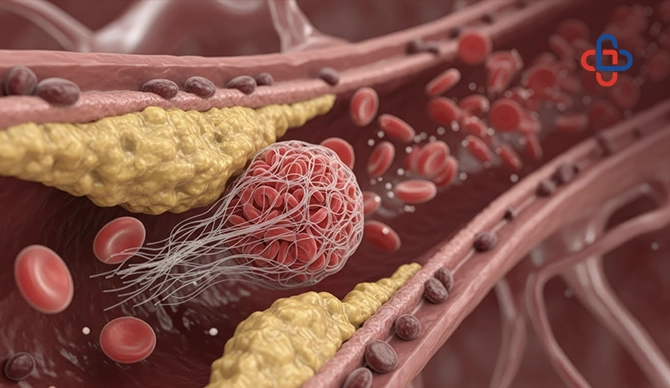
High cholesterol contributes to atherosclerosis, a condition where plaque builds up in the arteries. This plaque narrows and hardens the arteries, making them less flexible and harder to expand with each heartbeat. As a result, the heart must work harder to push blood through the narrowed vessels, causing increased blood pressure.
When both cholesterol and blood pressure are problematic, the risk of stroke, heart disease, and other cardiovascular issues increases. You can proactively assess these risks with a stroke screening to check for early signs of a possible stroke risk due to high cholesterol and blood pressure.
How Cholesterol And Blood Pressure Are Related?
Both high cholesterol and high blood pressure tend to occur together, compounding their effects on your cardiovascular system. When plaque narrows your arteries, it causes increased resistance to blood flow, which naturally leads to higher blood pressure. As a result, managing both conditions is crucial to preventing further cardiovascular damage.
The Impact Of High Cholesterol On Heart Health
Having high cholesterol increases the risk of heart disease and stroke. The buildup of plaque in your arteries can block blood flow, causing heart attacks. When both high cholesterol and high blood pressure are present, the risk is even greater. Managing cholesterol helps prevent plaque buildup and reduces the chances of heart-related events.
When High Cholesterol Leads To Serious Health Issues
The combination of high cholesterol and high blood pressure can lead to serious health issues:
- Heart attacks: Plaque can block blood flow to the heart.
- Stroke: Plaque buildup can disrupt blood flow to the brain.
- Kidney disease: Chronic high blood pressure can harm kidney function.
Early detection and treatment of both conditions are key to preventing these life-threatening issues.
How To Lower Cholesterol And Blood Pressure?
Here are practical ways to manage both cholesterol and blood pressure:
- Dietary changes: Reduce saturated fats and cholesterol, and increase fiber-rich foods.
- Exercise: Aim for at least 30 minutes of moderate exercise most days of the week.
- Medications: Statins can lower cholesterol, and ACE inhibitors help manage blood pressure.
- Lifestyle changes: Quit smoking, reduce alcohol intake, and manage stress.
When Should You See A Doctor For Cholesterol And Blood Pressure?
You should consult your doctor if:
- Your blood pressure remains elevated despite lifestyle changes.
- Cholesterol levels are very high or medication isn’t effective.
- Regular check-ups are essential for monitoring heart health and preventing long-term damage.
A cardiology consultation can help you understand the risks and plan the right course of action.
Conclusion
High cholesterol and high blood pressure are both serious conditions that can lead to significant cardiovascular damage. Understanding their relationship and how they affect the heart is essential for taking proactive steps in managing your health. With proper lifestyle changes, medications, and regular check-ups, you can lower both cholesterol and blood pressure, improving your heart health and overall well-being.
Frequently Asked Questions
How does high cholesterol affect arteries?
High cholesterol causes plaque buildup in arteries, narrowing them and reducing blood flow, which increases blood pressure.
Can managing cholesterol help lower blood pressure?
Yes, controlling cholesterol reduces plaque in arteries, improving blood flow and potentially lowering blood pressure.
What lifestyle changes help lower both cholesterol and blood pressure?
A heart-healthy diet, regular exercise, quitting smoking, and managing stress can lower both cholesterol and blood pressure.
Can I have high blood pressure without high cholesterol?
Yes, high blood pressure and high cholesterol often occur together, but they can also happen separately.
How can I prevent heart disease with high cholesterol and blood pressure?
Prevent heart disease by managing both conditions with medication, regular check-ups, and lifestyle changes like diet and exercise.
Source
- Memorial Healthcare System – All About Cholesterol and High Blood Pressure
- Health Line – What’s the Connection Between High Blood Cholesterol and Hypertension?
- WebMD – High Cholesterol and High Blood Pressure
- CardioVascular Health Clinic – High Blood Pressure vs. High Cholesterol: What’s the Difference and Why It Matters for Your Heart
- Interventional Cardiology – How Can High Cholesterol Cause High Blood Pressure?
Disclaimer
This blog is for informational & educational purposes only and does not intend to substitute any professional medical advice or consultation. For any health-related concerns, please consult with your physician, or call 911.
 +1-646-454-9000
 Hours of operation

