
 +1-646-454-9000

 Last updated on March 9, 2026
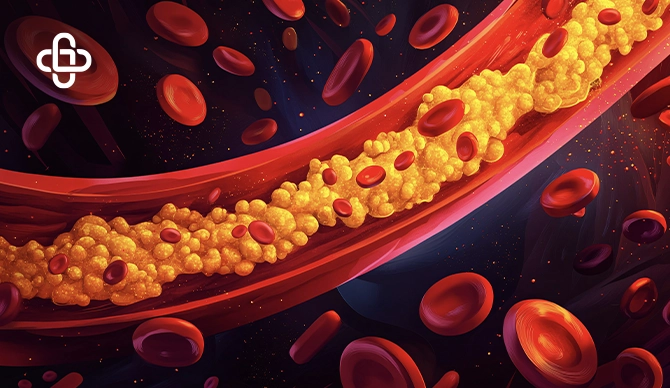
 Cholesterol does not directly raise blood pressure, but it can affect blood pressure over time by damaging the arteries. When cholesterol builds up in artery walls, it forms plaque that narrows blood vessels and reduces blood flow. This narrowing increases vascular resistance, which can contribute to higher blood pressure. When high cholesterol and high blood pressure occur together, they significantly increase the risk of heart disease and stroke.
Table of contents
What Is Cholesterol?
Cholesterol is a waxy, fat-like substance found in the blood and every cell in the body. Your body needs cholesterol to build cells, produce hormones, and help digest food.
However, too much cholesterol, especially certain types, can increase the risk of cardiovascular disease.
Types Of Cholesterol
LDL (Low-Density Lipoprotein) – Bad Cholesterol
LDL cholesterol carries cholesterol through the bloodstream and can deposit it in artery walls. Over time, this buildup forms plaque that narrows arteries and reduces circulation.
HDL (High-Density Lipoprotein) – Good Cholesterol
HDL cholesterol helps remove excess cholesterol from the bloodstream and transports it to the liver for removal.
What Causes High Cholesterol?
Several factors can lead to high cholesterol levels:
- Diets high in saturated and trans fats
- Lack of physical activity
- Obesity or excess weight
- Smoking
- Genetic conditions such as familial hypercholesterolemia
- Aging and hormonal changes
What Is Blood Pressure?
Blood pressure measures the force of blood pushing against artery walls as the heart pumps blood through the body.
It is recorded using two numbers:
- Systolic pressure: pressure when the heart beats
- Diastolic pressure: pressure when the heart rests between beats
Example:
120/80 mmHg
Healthy circulation depends on arteries that are flexible and unobstructed, allowing blood to move smoothly throughout the body.
Blood Pressure vs Cholesterol
Doctors often recommend routine testing to evaluate cardiovascular risk. A simple blood pressure screening can help detect early hypertension and determine whether cholesterol and blood pressure together may be affecting heart health.
Although they measure different things, both affect cardiovascular health:
- Blood pressure measures force in the arteries
- Cholesterol measures fat levels in the blood
Problems with either one can damage blood vessels and increase the risk of heart disease.
How Cholesterol Affects Arteries?
One of the most important ways cholesterol influences cardiovascular health is through atherosclerosis, a condition where plaque builds up inside arteries.
Plaque consists of:
- Cholesterol
- Fat
- Calcium
- Inflammatory cells
As plaque accumulates:
- Arteries become narrower
- Blood flow becomes restricted
- Artery walls become stiffer
These changes force the heart to pump harder to move blood through the circulatory system. Imaging tests such as a vascular ultrasound can help doctors evaluate blood flow and detect narrowing or blockages in the arteries caused by cholesterol plaque.
This is why many people ask whether cholesterol raises blood pressure. While cholesterol does not directly increase blood pressure, the artery damage it causes can contribute to rising blood pressure over time.
Does High Cholesterol Cause High Blood Pressure?
High cholesterol does not directly cause hypertension, but it can indirectly contribute to it.
Artery Narrowing
Plaque buildup reduces the diameter of blood vessels. Narrower vessels increase vascular resistance, which raises pressure inside the arteries.
Artery Stiffness
Healthy arteries expand and contract with each heartbeat. Cholesterol deposits make arteries stiff, reducing their ability to regulate pressure.
Reduced Blood Flow
Restricted blood flow can trigger the body to raise blood pressure to ensure tissues receive enough oxygen.
Because of these mechanisms, many patients with high cholesterol eventually develop hypertension.
High Cholesterol And Circulation Problems
Cholesterol can significantly affect circulation throughout the body.
Coronary Circulation
Advanced diagnostic tests such as a stress test or nuclear cardiology study can help evaluate how well blood flows to the heart muscle and identify coronary artery disease caused by cholesterol buildup.
Plaque buildup in coronary arteries reduces blood flow to the heart muscle and can lead to coronary artery disease.
Brain Circulation
Plaque buildup in arteries supplying the brain increases the risk of stroke.
Peripheral Circulation
Doctors may also use an echocardiogram to evaluate heart function and detect complications related to high blood pressure and reduced circulation.
Peripheral Circulation
Reduced blood flow to the legs and arms can cause peripheral artery disease, leading to leg pain during walking or slow wound healing.
High Cholesterol And High Blood Pressure Together
When high cholesterol and high blood pressure occur together, cardiovascular risk increases significantly.
This combination can lead to:
- Higher risk of heart attack
- Increased stroke risk
- Damage to blood vessel walls
- Faster development of atherosclerosis
Patients with both conditions should work with their doctor to manage cholesterol levels and blood pressure.
Which Is Worse High Blood Pressure Or High Cholesterol?
Both conditions are serious cardiovascular risk factors.
High blood pressure damages blood vessels and strains the heart, while high cholesterol contributes to plaque buildup that blocks blood flow.
The combination of the two conditions is particularly dangerous because they accelerate each other’s harmful effects.
Symptoms And Warning Signs
Both high cholesterol and high blood pressure are often silent conditions.
Possible warning signs of cardiovascular complications include:
- Chest pain
- Shortness of breath
- Fatigue during activity
- Leg pain when walking
- Dizziness or headaches
Regular screenings are essential for early detection. Preventive evaluations such as heart health screening or cardiovascular screening can help identify cholesterol problems, hypertension, and early signs of cardiovascular disease.
How To Reduce High Cholesterol?
Lifestyle changes are often the first step in improving cholesterol levels.
Follow a Heart-Healthy Diet
Eat foods that support healthy arteries:
- Fruits and vegetables
- Whole grains
- Lean protein such as fish
- Healthy fats like olive oil and nuts
Reducing saturated fats and eliminating trans fats can help lower LDL cholesterol.
Increase Physical Activity
Regular exercise improves cholesterol levels and supports healthy blood pressure.
Experts recommend at least 150 minutes of moderate exercise per week.
Maintain a Healthy Weight
Losing excess weight can improve cholesterol levels and blood pressure levels.
Increase Fiber Intake
Foods such as oats, beans, and fruits help remove cholesterol from the body.
High Cholesterol Treatment
When lifestyle changes are not enough, doctors may recommend medications.
Statins
Statins reduce the liver’s production of cholesterol and lower LDL levels.
PCSK9 Inhibitors
These medications help the body remove LDL cholesterol from the bloodstream.
Lifestyle Therapy
Lifestyle improvements remain essential even when medications are prescribed.
Doctors may also treat blood pressure at the same time to reduce cardiovascular risk.
Prevention Tips For Healthy Circulation
Important strategies for maintaining healthy circulation include:
Many patients also benefit from routine cardiac screening to detect cardiovascular risks early and guide preventive treatment.
- Regular exercise
- Heart-healthy diet
- Maintaining a healthy weight
- Monitoring blood pressure
- Routine cholesterol testing
- Avoiding smoking
- Managing stress
Myth vs Fact
Myth: High cholesterol automatically causes high blood pressure.
Fact: Cholesterol contributes to artery narrowing, which can indirectly raise blood pressure.
Myth: If blood pressure is normal, cholesterol is not a concern.
Fact: High cholesterol can still damage arteries even if blood pressure readings are normal.
Myth: Cholesterol problems always cause symptoms.
Fact: Most people with high cholesterol have no symptoms until serious complications occur.
When To See A Doctor
You should consider medical evaluation if you have:
- High cholesterol levels
- Persistent high blood pressure
- Chest pain
- Shortness of breath
- Family history of heart disease
Early diagnosis helps reduce the risk of heart disease and stroke. If you have these symptoms or risk factors, consulting a cardiologist at Cardiology Care NYC can help you get a thorough evaluation. A cardiology consultation allows a specialist to assess cholesterol levels, blood pressure, symptoms, and cardiovascular risk to recommend the right tests and treatment.
Expert Heart Care
If you are concerned about cholesterol, blood pressure, or circulation problems, a cardiovascular evaluation can help detect risks early. The cardiologists at Cardiology Care NYC provide heart health assessments, advanced diagnostic testing, and personalized treatment plans to manage cholesterol and blood pressure.
Early screening helps lower the risk of heart disease and stroke. If you have high cholesterol, elevated blood pressure, or a family history of heart disease, scheduling a consultation can help you take proactive steps to protect your heart health.
Frequently Asked Questions
Can high cholesterol exist even if blood pressure is normal?
Yes. Many people have high cholesterol while their blood pressure remains normal. However, elevated cholesterol can still damage arteries over time and increase the risk of heart disease, even without hypertension.
How often should adults check their cholesterol levels?
Most adults should have their cholesterol checked every 4–6 years, but people with heart disease risk factors may need more frequent testing. Regular screening helps detect problems early and prevent cardiovascular complications.
Does family history increase the risk of high cholesterol?
Yes. Genetics can play a major role in cholesterol levels. Conditions such as familial hypercholesterolemia cause very high cholesterol even in people with healthy lifestyles, increasing the risk of early heart disease.
Can stress affect cholesterol or blood pressure levels?
Chronic stress may indirectly increase both cholesterol and blood pressure. Stress can lead to unhealthy habits such as poor diet, smoking, or lack of exercise, which contribute to cardiovascular risk.
When should someone consider a full cardiovascular screening?
A full cardiovascular screening may be recommended if you have risk factors such as high cholesterol, high blood pressure, diabetes, smoking history, or a family history of heart disease. Early screening helps identify hidden cardiovascular problems before symptoms appear.
Source
- Memorial Healthcare System – All About Cholesterol and High Blood Pressure
- CardioVascular Health Clinic – High Blood Pressure vs. High Cholesterol: What’s the Difference and Why It Matters for Your Heart
- LCMC Health – Managing your blood pressure and cholesterol
- American Medical Association – What doctors wish patients knew about high cholesterol
- Cleveland Clinic – What Is Hyperlipidemia?
Disclaimer
This blog is for informational & educational purposes only and does not intend to substitute any professional medical advice or consultation. For any health-related concerns, please consult with your physician, or call 911.
 +1-646-454-9000
 Hours of operation

