
 +1-646-454-9000

 Last updated on March 16, 2026
 Blood tests showing low iron, low ferritin, or anemia can be confusing. Patients at Cardiology Care NYC often ask about the difference after routine blood work for fatigue or weakness. Although related, iron deficiency and anemia are not the same condition. Understanding the distinction helps you interpret lab results and decide when medical evaluation is needed.
Table of contents
What Is the Difference Between Iron Deficiency And Anemia?
Iron deficiency occurs when the body does not have enough iron to support normal physiological functions, including the production of hemoglobin.
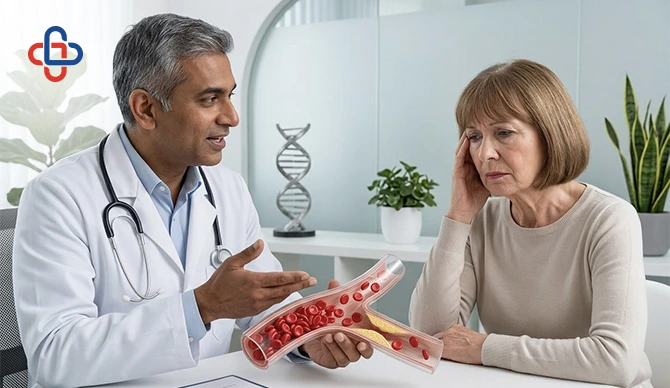
Anemia is a condition where the body has too few healthy red blood cells or insufficient hemoglobin, reducing oxygen delivery to tissues.
Iron deficiency can lead to iron deficiency anemia, but anemia may also develop due to other medical conditions.
What Is Iron Deficiency?
Iron deficiency happens when the body’s iron stores become depleted. Iron is an essential mineral that plays a key role in producing hemoglobin, the protein in red blood cells responsible for carrying oxygen throughout the body.
Iron is necessary for:
- Producing hemoglobin
- Supporting muscle metabolism
- Maintaining energy levels
- Supporting immune function
- Enabling oxygen transport in the bloodstream
When iron levels begin to fall, the body may still produce normal red blood cells for a while. This means someone can have iron deficiency without anemia in the early stages.
What Does Iron Deficiency Cause?
As iron stores decline, people may experience symptoms such as:
- Fatigue
- Difficulty concentrating
- Cold hands and feet
- Brittle nails
- Hair thinning
- Pale skin
These symptoms may occur before anemia develops.
How To Tell If You Have Low Iron?
Doctors typically detect iron deficiency using blood tests that measure:
- Ferritin (stored iron)
- Serum iron
- Transferrin saturation
Ferritin is particularly important because it reflects the body’s iron reserves.
What Is Anemia?
Anemia is a medical condition characterized by low levels of hemoglobin or a reduced number of red blood cells.
Red blood cells transport oxygen from the lungs to tissues throughout the body. When these cells are too few or contain too little hemoglobin, the body’s organs may receive less oxygen than they need.
Low Red Blood Cells And Oxygen Delivery
Hemoglobin is responsible for binding oxygen in the bloodstream. When hemoglobin levels drop:
- tissues receive less oxygen
- fatigue develops
- the heart must work harder to circulate oxygen
This is why severe anemia can lead to symptoms like shortness of breath or rapid heartbeat.
Iron Deficiency vs Anemia: Key Differences
| Feature | Iron Deficiency | Anemia |
| Definition | Low iron levels in the body | Low hemoglobin or red blood cells |
| Primary issue | Depleted iron stores | Reduced oxygen-carrying capacity |
| Causes | Poor diet, blood loss, malabsorption | Iron deficiency, chronic disease, vitamin deficiencies |
| Diagnosis | Ferritin, serum iron tests | Complete blood count (CBC) |
| Relationship | Can lead to anemia | May occur with or without iron deficiency |
Iron deficiency is a nutrient deficiency, while anemia is a blood condition.
Symptoms Of Iron Deficiency
Early iron depletion may cause subtle symptoms, sometimes referred to as iron deficiency without anemia symptoms.
Common signs include:
- Mild fatigue
- Weakness
- Difficulty concentrating
- Pale or dull skin
- Cold sensitivity
- Hair thinning
- Restless legs
Because these symptoms can be mild, many people do not realize they have low iron levels until routine blood work reveals it.
Symptoms Of Iron Deficiency Anemia
When iron deficiency becomes severe enough to reduce hemoglobin levels, iron deficiency anemia symptoms may develop.
Symptoms of iron deficiency anemia may include:
- Severe fatigue
- Shortness of breath
- Dizziness or lightheadedness
- Headaches
- Rapid or irregular heartbeat
- Chest discomfort
- Pale skin
- Cold hands and feet
These symptoms occur because the body’s tissues are receiving less oxygen than they need.
Causes Of Iron Deficiency
Iron deficiency can develop for several reasons.
Blood Loss
One of the most common causes of iron deficiency.
Sources may include:
- Heavy menstrual bleeding
- Gastrointestinal bleeding
- Stomach ulcers
- Colon polyps
- Frequent blood donation
Poor Dietary Intake
Iron deficiency may occur when diets contain too little iron-rich food.
Examples include:
- vegetarian diets without adequate iron sources
- highly restrictive diets
Pregnancy
During pregnancy, iron requirements increase significantly to support fetal development and increased blood volume.
Malabsorption Disorders
Certain conditions interfere with iron absorption, including:
- celiac disease
- inflammatory bowel disease
- bariatric surgery
These conditions are often responsible for iron deficiency anemia causes that require medical evaluation.
Other Types Of Anemia
While iron deficiency is the most common cause of anemia, it is not the only cause.
Anemia of Chronic Disease
Chronic inflammatory conditions can interfere with iron metabolism and red blood cell production.
This type of anemia is often seen with:
- chronic infections
- autoimmune diseases
- kidney disease
- cancer
Vitamin Deficiency Anemia
Deficiencies in certain nutrients can impair red blood cell production:
- vitamin B12 deficiency
- folate deficiency
Genetic Anemia
Some forms of anemia are inherited conditions.
Examples include:
- sickle cell disease
- thalassemia
Bone Marrow Disorders
Diseases affecting the bone marrow can also cause anemia by reducing red blood cell production.
How Doctors Diagnose Iron Deficiency And Anemia
Doctors rely on several laboratory tests to diagnose these conditions.
Complete Blood Count (CBC)
The CBC test measures:
- hemoglobin
- hematocrit
- red blood cell count
- red blood cell size
Low hemoglobin or red blood cells indicate anemia.
Ferritin Test
Ferritin measures stored iron levels in the body.
Low ferritin is often the earliest indicator of iron deficiency.
Serum Iron Test
This measures the amount of iron circulating in the blood.
Transferrin Saturation
This test evaluates how effectively iron is being transported in the bloodstream.
These tests help physicians determine how to tell if you have low iron and whether anemia is present.
Treatment Options
Treatment depends on the underlying cause.
Iron Supplements
Doctors may recommend oral iron supplements to restore iron levels.
These are typically taken for several months until iron stores normalize.
Dietary Changes
Increasing iron-rich foods may help improve iron levels.
Examples include:
- lean red meat
- poultry
- fish
- beans
- lentils
- spinach
- fortified cereals
Combining iron-rich foods with vitamin C improves absorption.
Treating Underlying Conditions
If anemia results from chronic disease, gastrointestinal bleeding, or malabsorption, treating the underlying condition is essential.
Vitamin Supplementation
If anemia results from vitamin deficiencies, treatment may involve:
- vitamin B12 supplements
- folate supplements
How To Prevent Iron Deficiency?
Preventive strategies may help maintain healthy iron levels.
Eat Iron-Rich Foods
Good dietary sources include:
- lean meats
- seafood
- beans
- lentils
- dark leafy greens
- fortified grains
Pair Iron With Vitamin C
Vitamin C improves iron absorption.
Examples include:
- citrus fruits
- strawberries
- bell peppers
- tomatoes
Limit Tea or Coffee With Meals
Certain compounds in tea and coffee can reduce iron absorption.
Routine Blood Testing
People at higher risk including women with heavy periods or individuals with chronic disease may benefit from periodic blood tests.
When To See A Doctor
Medical evaluation may be necessary if symptoms include:
- persistent fatigue
- shortness of breath
- pale skin
- dizziness
- frequent headaches
- unexplained weakness
These symptoms may indicate iron deficiency, anemia, or another condition that requires medical testing. Doctors may also check cardiovascular health if fatigue or shortness of breath persists.
Helpful evaluations may include:
These tests help physicians evaluate overall cardiovascular health, circulation, and possible causes of symptoms that may overlap with anemia.
Conclusion
Understanding the difference between anemia vs iron deficiency helps you interpret blood test results and recognize when symptoms need medical evaluation. If fatigue, weakness, or dizziness persist, medical assessment is recommended. Specialists at Cardiology Care NYC can review lab results and determine whether iron deficiency, anemia, or another condition may be involved.
Frequently Asked Questions
Can iron deficiency affect exercise tolerance?
Yes. Low iron can reduce oxygen delivery to muscles, causing fatigue, reduced endurance, and slower recovery during physical activity.
Do certain age groups have a higher risk of iron deficiency?
Yes. It is more common in women of reproductive age, pregnant individuals, young children, and older adults due to increased iron needs or dietary factors.
Can digestive problems contribute to iron deficiency?
Yes. Conditions such as celiac disease, inflammatory bowel disease, or stomach surgery can reduce the body’s ability to absorb iron.
How long does it take to restore iron levels?
Iron levels often begin improving within a few weeks, but restoring iron stores completely may take several months depending on the cause.
Can lifestyle habits affect iron absorption?
Yes. Tea and coffee may reduce iron absorption, while vitamin C–rich foods can help the body absorb iron more effectively.
Source
- Manhattan Cardiology – Difference between Anemia and Iron Deficiency
- Stella Mattina – Iron Deficiency and Anemia: What’s the Difference?
- Medical News Today – What to know about anemia of chronic disease vs iron deficiency
- Liv Hospital – Anemia Vs Iron Deficiency: Key Differences Explained
Disclaimer
This blog is for informational & educational purposes only and does not intend to substitute any professional medical advice or consultation. For any health-related concerns, please consult with your physician, or call 911.
 +1-646-454-9000
 Hours of operation

