
 +1-646-454-9000

 Last updated on March 31, 2026
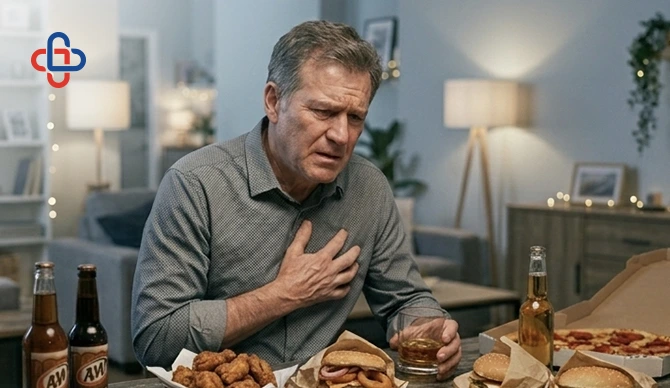
 Holiday heart syndrome is a condition where irregular heart rhythms most commonly atrial fibrillation (AFib) occur after heavy alcohol consumption. It often happens during holidays or weekends when drinking increases. Symptoms like heart palpitations or a rapid heartbeat can appear even in otherwise healthy individuals. At Cardiology Care NYC, we often see patients with these symptoms after periods of increased alcohol intake.
Table of contents
What Is Holiday Heart Syndrome?
Holiday heart syndrome refers to episodes of an irregular heartbeat that occur after alcohol intake, especially binge drinking. It is most commonly linked to atrial fibrillation (AFib), a type of arrhythmia where the heart beats irregularly and sometimes rapidly.
The term originated when doctors noticed a spike in patients experiencing heart palpitations after drinking during holidays and weekends.
In simple terms:
- Alcohol disrupts your heart’s electrical system
- This can trigger an irregular rhythm
- You feel a fluttering, racing, or pounding heartbeat
How Alcohol Affects The Heart?
Alcohol has a direct impact on the heart’s electrical signals and overall cardiovascular function.
Key effects include:
- Disruption of electrical activity: Alcohol interferes with how signals travel through the heart, increasing the risk of arrhythmias like AFib.
- Electrolyte imbalance: Drinking can lower potassium and magnesium levels, which are essential for normal heart rhythm.
- Dehydration: Alcohol is a diuretic, which can reduce blood volume and strain the heart.
- Increased heart rate: Alcohol stimulates the nervous system, leading to a faster heartbeat.
These changes explain the strong link between alcohol and AFib.
Why It Happens (Causes and Triggers)
Holiday heart syndrome usually results from a combination of factors, not just alcohol alone.
Common triggers:
- Binge drinking (large amounts in a short time)
- Dehydration
- Lack of sleep
- Holiday stress
- Overeating heavy or salty meals
- Caffeine or nicotine use
Together, these increase the likelihood of an irregular heartbeat after drinking.
Symptoms Of Holiday Heart Syndrome
Symptoms can start suddenly and may feel alarming.
Common symptoms include:
- Rapid or irregular heartbeat
- Heart palpitations
- Chest discomfort
- Shortness of breath
- Fatigue or weakness
- Dizziness or lightheadedness
These are the most common holiday heart syndrome symptoms people notice after drinking.
How Long Does Holiday Heart Syndrome Last?
In many cases, symptoms are temporary.
- Episodes may last a few hours to a couple of days
- Some people return to a normal rhythm on their own
- Others may require medical evaluation if symptoms persist
So if you’re wondering how long does holiday heart last, it varies but should not be ignored if ongoing.
Is Holiday Heart Syndrome Dangerous?
For otherwise healthy individuals, it is often temporary and not immediately life-threatening.
However, it can still be serious.
Potential risks:
- Increased risk of stroke (especially with AFib)
- Progression to persistent arrhythmia
- Complications in people with heart disease
So while many ask, is holiday heart syndrome dangerous? The answer is: it can be, especially if untreated or recurrent.
Can Alcohol Cause A Heart Attack?
Alcohol does not directly cause a heart attack in most cases, but it can increase risk.
Here’s the difference:
- Holiday heart syndrome: Electrical problem (irregular rhythm)
- Heart attack: Blood flow blockage in coronary arteries
However:
- Heavy drinking can raise blood pressure
- It can trigger arrhythmias
- It may increase strain on the heart
This is why people ask, can alcohol cause a heart attack? indirectly, it can contribute to risk.
Diagnosis And Tests
If symptoms occur, doctors may evaluate heart rhythm and function.
Common tests include:
- Electrocardiogram (ECG)
- Blood pressure screening
- Heart rhythm monitoring (Holter monitor)
- Echocardiogram
These tests help confirm holiday heart syndrome and rule out other conditions.
Holiday Heart Syndrome Treatment
Treatment depends on severity and duration of symptoms.
Common approaches:
- Rest and hydration
- Stopping alcohol intake
- Monitoring symptoms
- Medications (if needed) to control heart rate or rhythm
Persistent or severe cases require medical care.
How To Prevent Holiday Heart Syndrome?
Prevention is often straightforward and effective.
Tips to reduce risk:
- Limit alcohol consumption
- Avoid binge drinking
- Stay well hydrated
- Eat balanced meals
- Get enough sleep
- Manage stress
These steps can significantly reduce the chance of holiday heart symptoms.
When Should You See A Cardiologist?
If your heart feels off after drinking, it’s important not to ignore it especially if symptoms don’t go away quickly.
You should seek medical care if you notice:
- Symptoms that last longer than 24 hours
- Ongoing or worsening heart palpitations
- Chest pain or pressure
- Dizziness, fainting, or feeling like you might pass out
- Repeated episodes of an irregular heartbeat after drinking
Even if symptoms seem mild, getting evaluated can help rule out atrial fibrillation or other underlying heart conditions.
Final Thoughts
Holiday heart syndrome can feel alarming, but it’s often temporary and improves once alcohol leaves your system.
That said, don’t ignore it. An irregular heartbeat after drinking may signal stress on your heart or an underlying issue like atrial fibrillation.
If symptoms persist or keep happening, it’s best to get checked. Our team at Cardiology Care NYC can help evaluate your symptoms and guide you toward the right care. Limiting alcohol, staying hydrated, and listening to your body can help protect your heart year-round.
Frequently Asked Questions
Can alcohol cause heart palpitations?
Yes, alcohol can disrupt the heart’s electrical system, leading to palpitations or irregular rhythms, especially after heavy drinking.
What should I do if my heart is racing after drinking?
Stop drinking, hydrate, rest, and seek medical care if symptoms persist or worsen.
Can holiday heart syndrome happen without drinking alcohol?
It’s less common, but yes. Severe stress, lack of sleep, heavy meals, or stimulant use alone can sometimes trigger similar symptoms, especially in people sensitive to heart rhythm changes.
Are younger people at risk for holiday heart syndrome?
Yes. Even young, otherwise healthy individuals can experience it after binge drinking. Age doesn’t fully protect against alcohol-related heart rhythm disturbances.
Can repeated episodes lead to long-term heart problems?
They can. Frequent episodes may increase the likelihood of developing persistent atrial fibrillation or other chronic rhythm disorders over time, especially if lifestyle habits don’t change.
Source
- American Heart Association – Before you toast, know the risks of ‘holiday heart syndrome’
- Mayo Clinic – Mayo Clinic Minute: Recognizing ‘holiday heart’
- Franciscan Health – 5 Ways To Avoid Holiday Heart Syndrome
- Columbia Cardiology – Holiday Heart Symptoms: How Alcohol, Stress, and Fatigue Affect Your Heart
- NewYork-Presbyterian – What is Holiday Heart Syndrome?
- Cleveland Clinic – What Is Holiday Heart Syndrome?
Disclaimer
This blog is for informational & educational purposes only and does not intend to substitute any professional medical advice or consultation. For any health-related concerns, please consult with your physician, or call 911.
 +1-646-454-9000
 Hours of operation

